 English
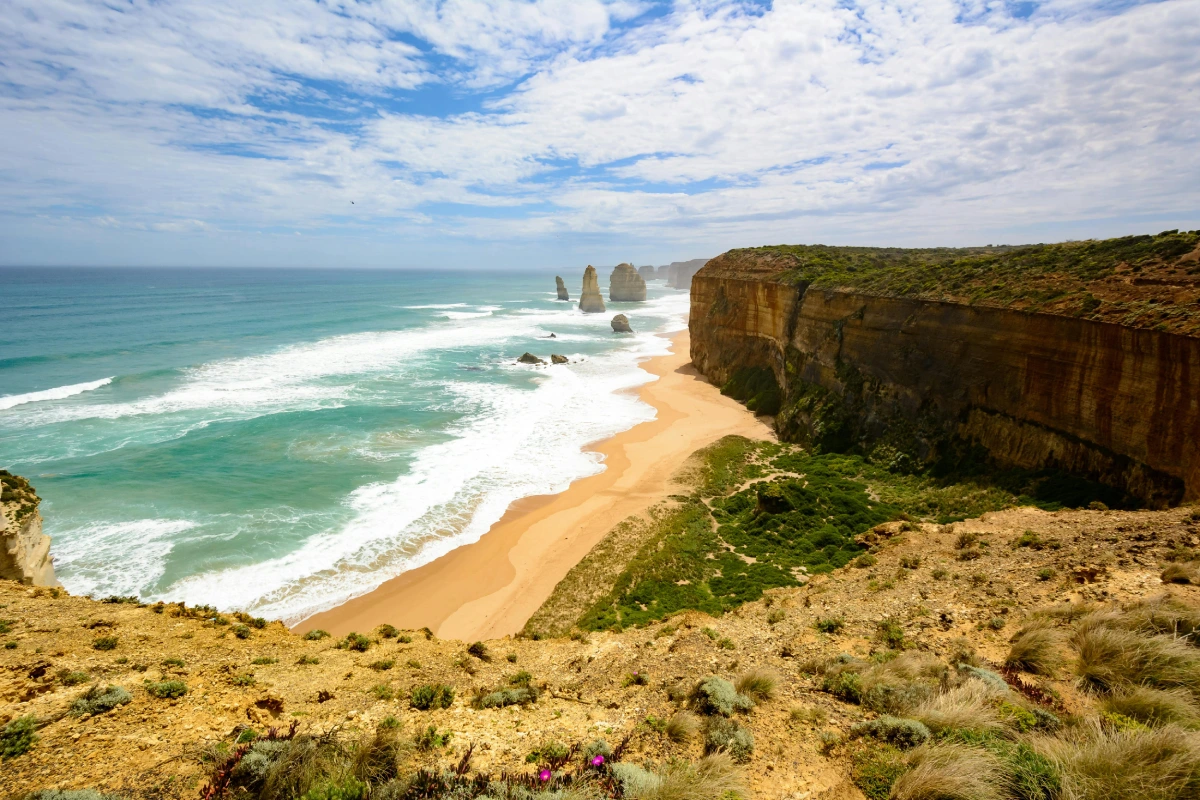

In Australia, nature doesn’t stay limited to national parks or postcard views. It’s something you can encounter along roads, in parks, near rivers, and sometimes even close to where you live. My trips to Great Ocean Road and Phillip Island made this reality very clear.
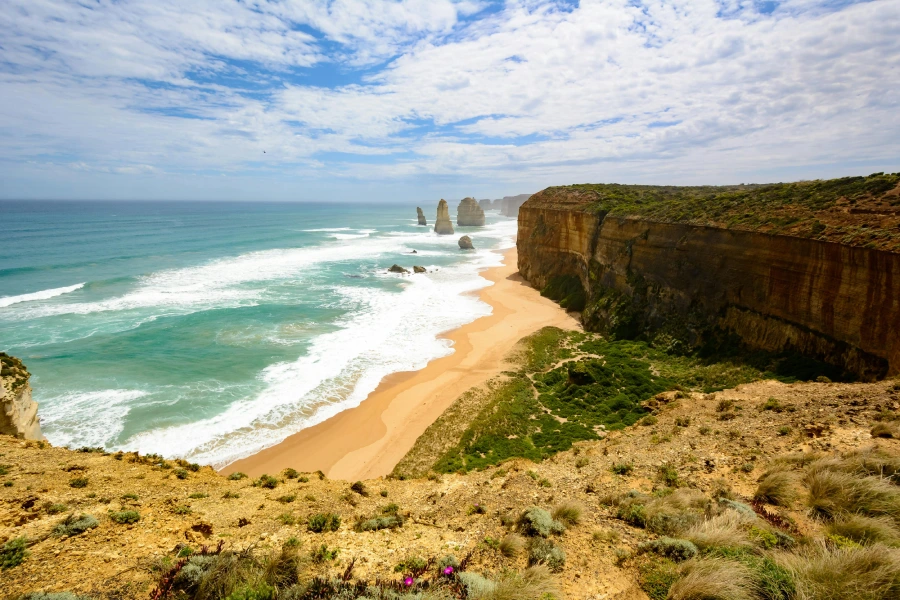
Great Ocean Road: The Journey Is the Experience
Great Ocean Road is more than just a scenic drive the road itself is the experience. As you follow the coastline, you get endless ocean views, but you also start noticing something else: wildlife warning signs everywhere.
Along this route:
- You stop at viewpoints overlooking the ocean
- Walk short coastal trails
- And drive through areas where nature is very much alive
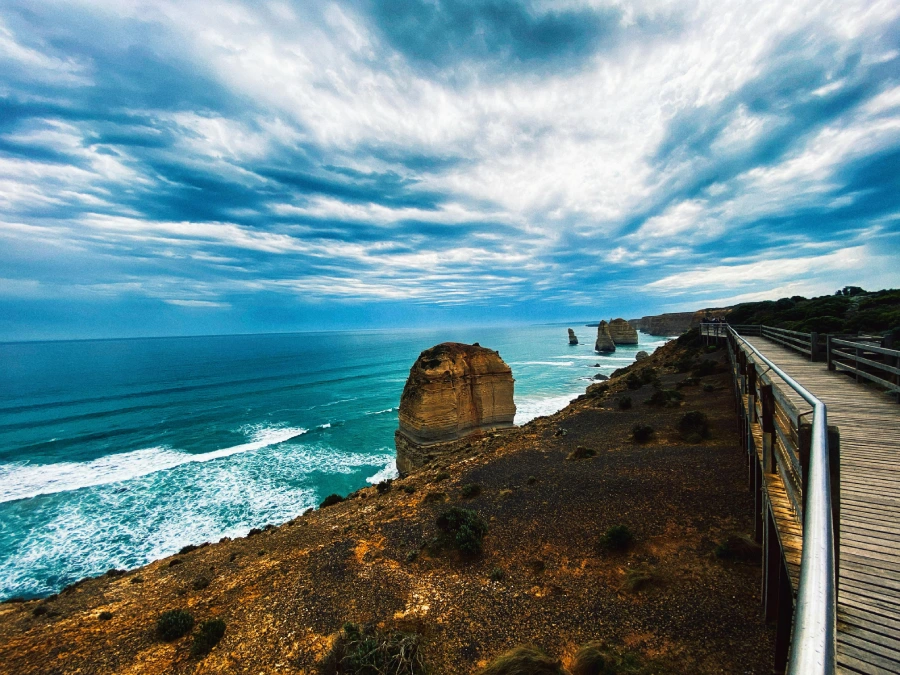
Driving here requires attention, because the road isn’t shared only with cars.
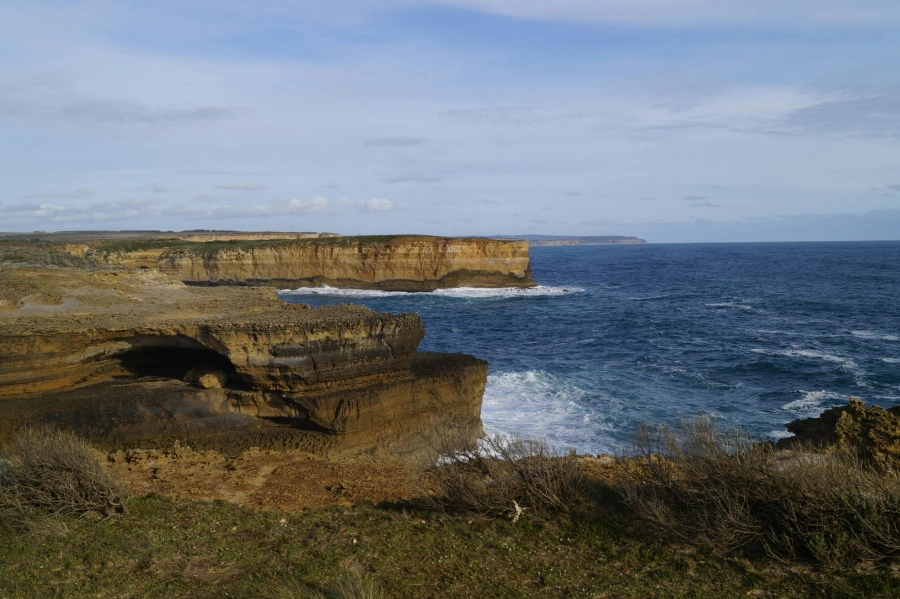
Road Signs: Why There Are So Many Warnings
In Australia, road and park signs are not decorative they exist for a reason.
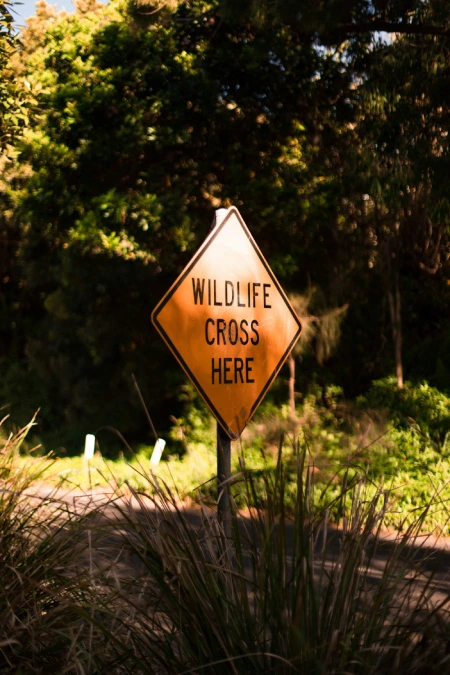
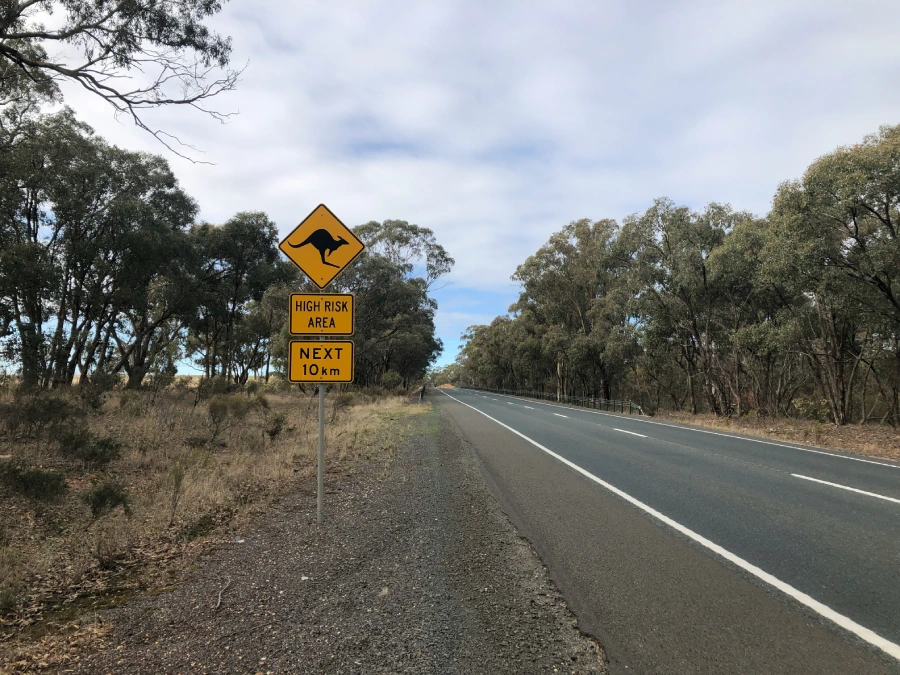
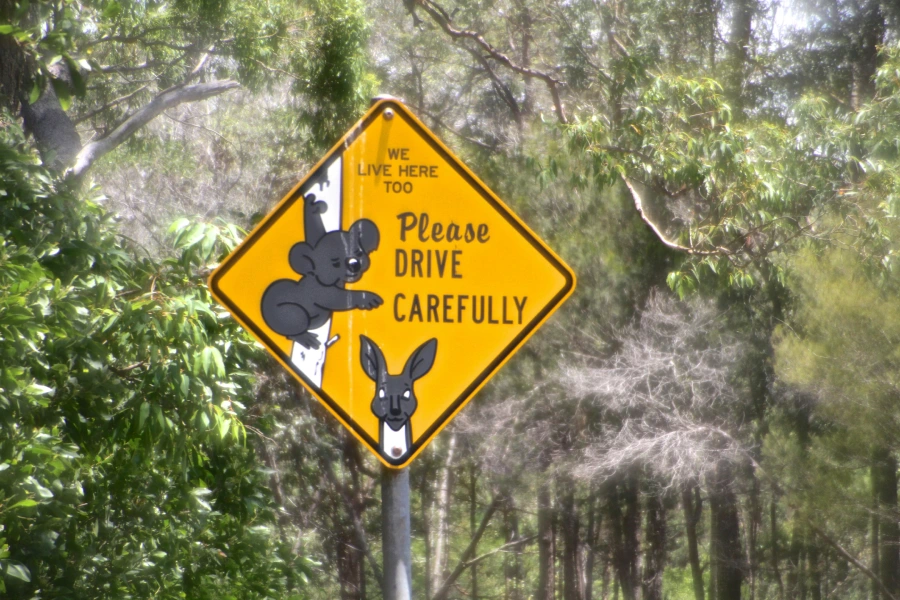
These signs send a very clear message:
Animals really do cross here.
Kangaroos, especially, are most active early in the morning and around sunset, which is why speed limits and warnings are taken seriously.
Phillip Island: A Closer Look at Australian Wildlife
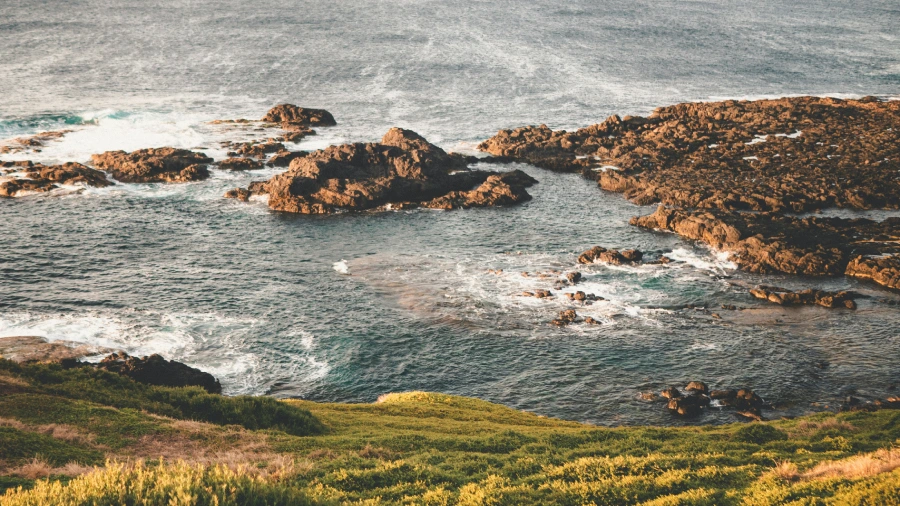
Phillip Island is one of the best places to experience Australia’s wildlife more closely. The environment feels calmer, but animal presence is much more noticeable.
Australia’s Iconic Animals: Kangaroos and Koalas
Kangaroos and koalas are Australia’s most iconic animals, yet seeing them in real life never stops being impressive.
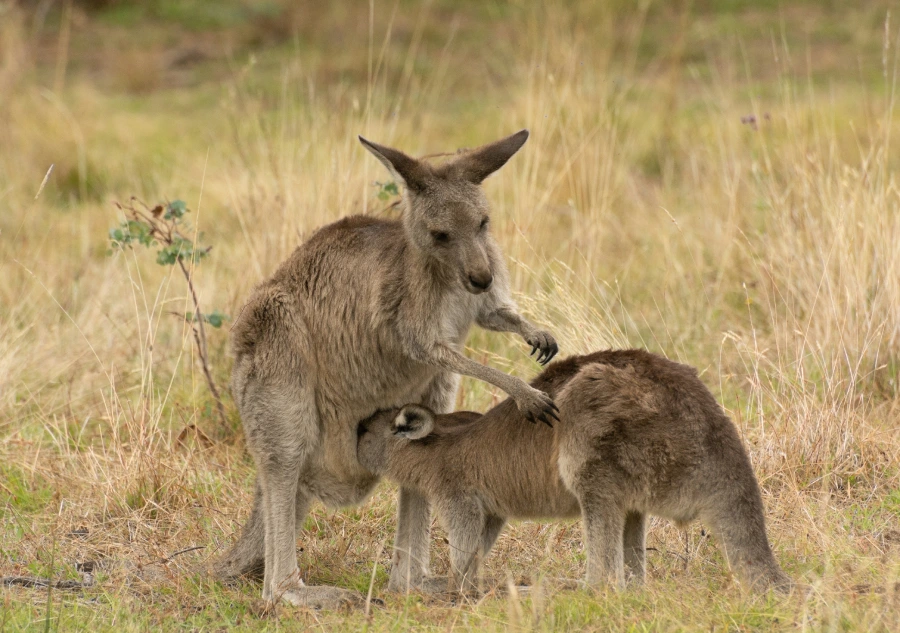
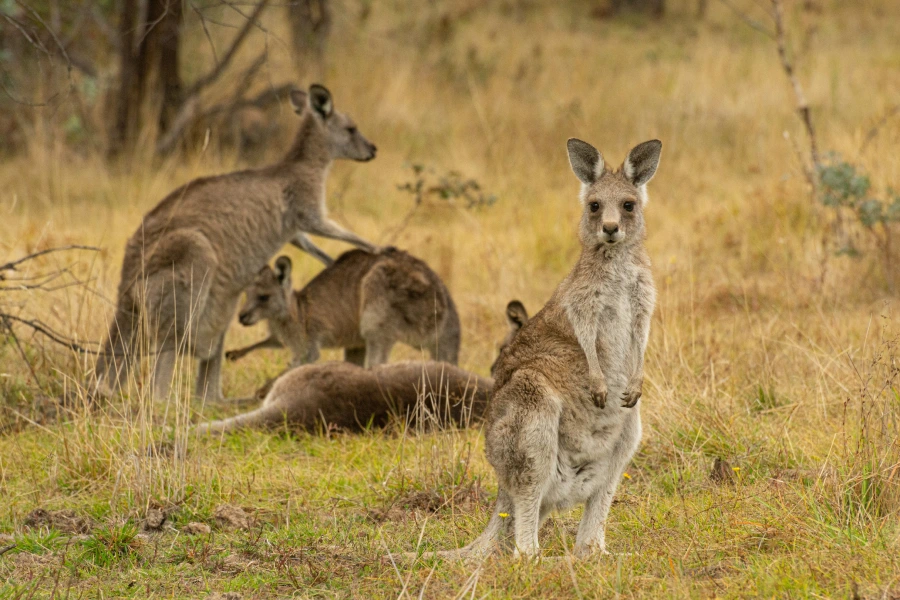
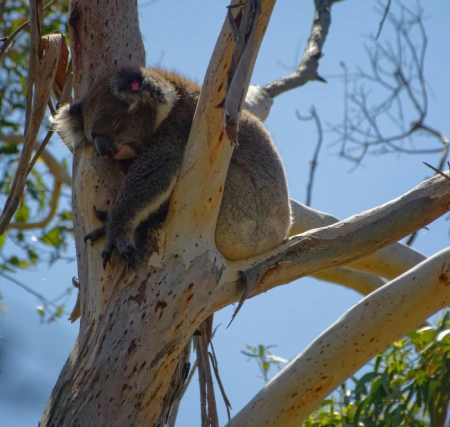
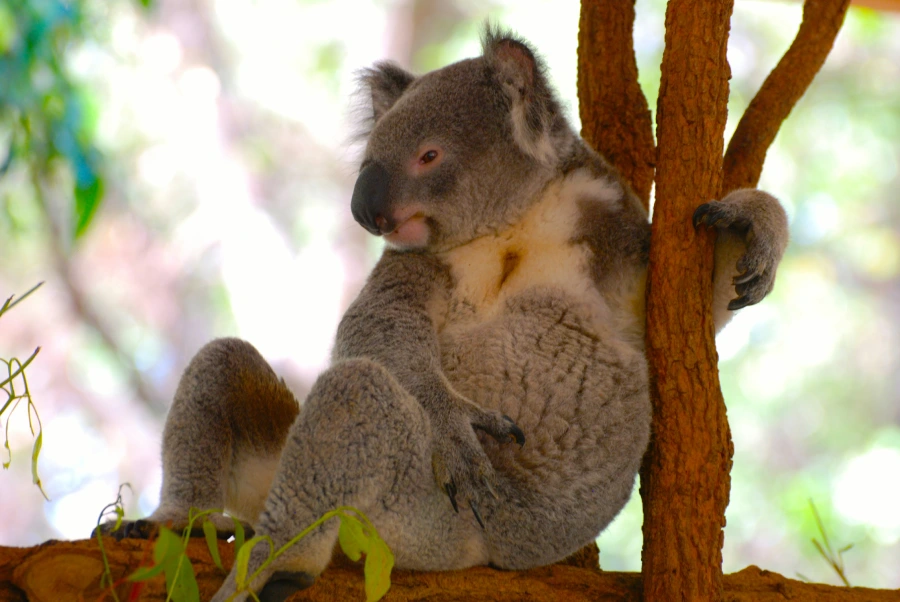
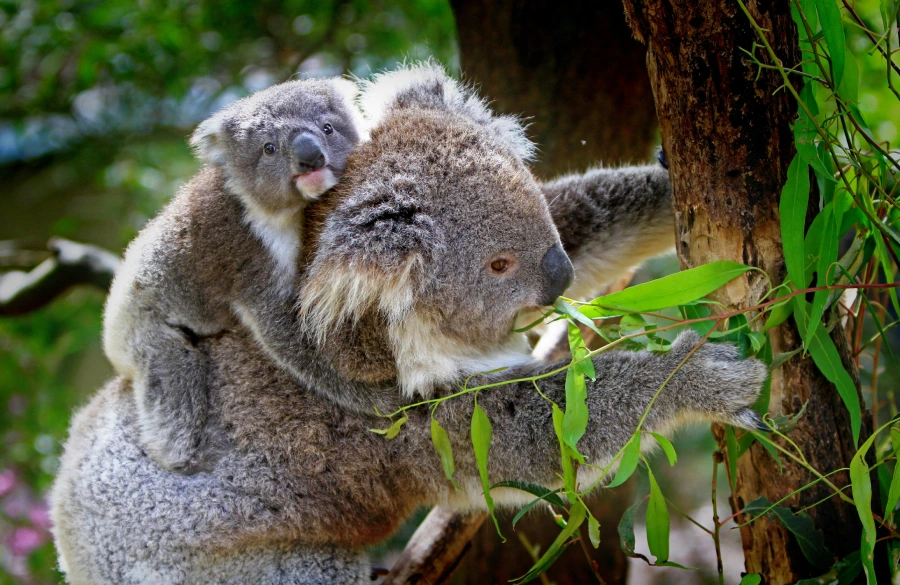
Koala warning signs are common not because they are symbols, but because these animals genuinely live in these areas.
Dingo and Tasmanian Devil
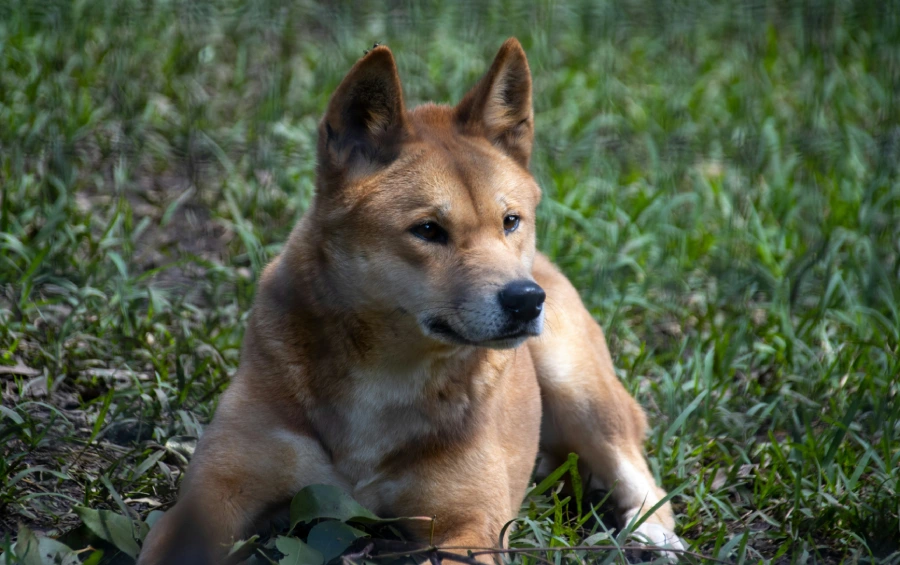
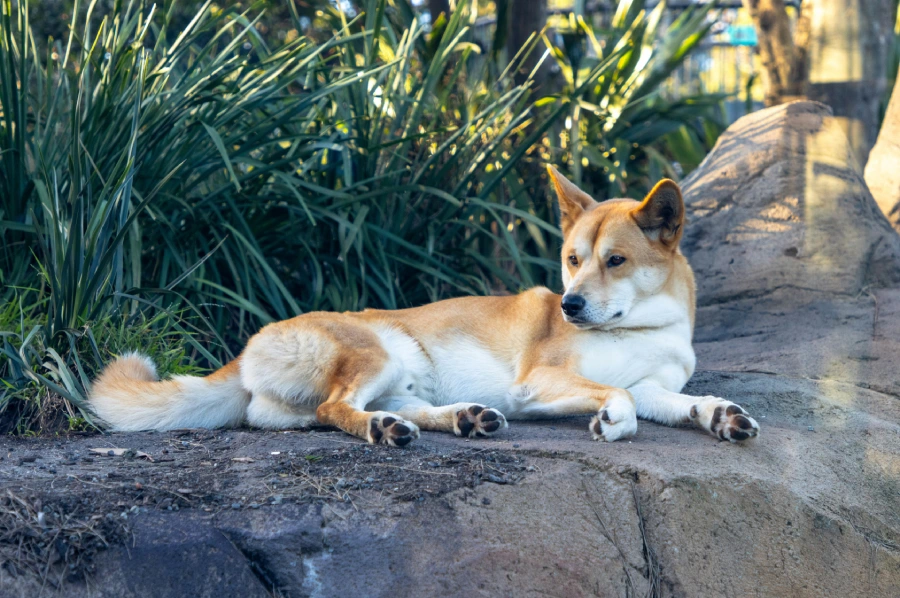
The dingo is a wild dog native to Australia. It usually avoids humans, but knowing it exists in the wild is important.
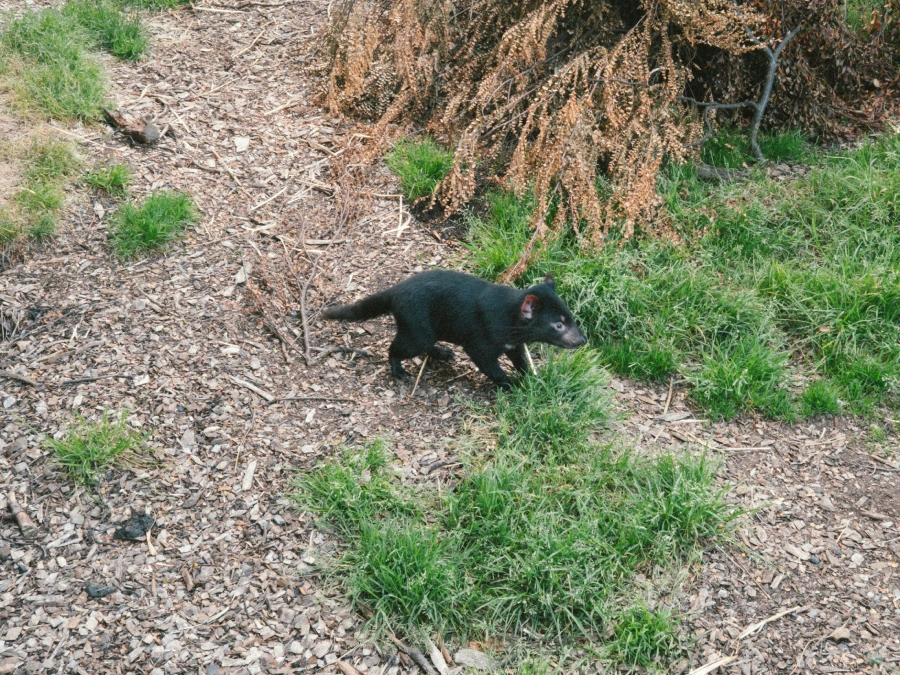
The Tasmanian devil, although smaller, is one of Australia’s most fascinating animals, known for its powerful jaw.
The Serious Side: Snakes and Spiders
This is where things need to be taken seriously. Snakes and spiders in Australia are a real risk, not a myth.
Brown Snake
The brown snake is among the most venomous snakes in the world. It can be found in parks, near rivers, and especially during warmer months.
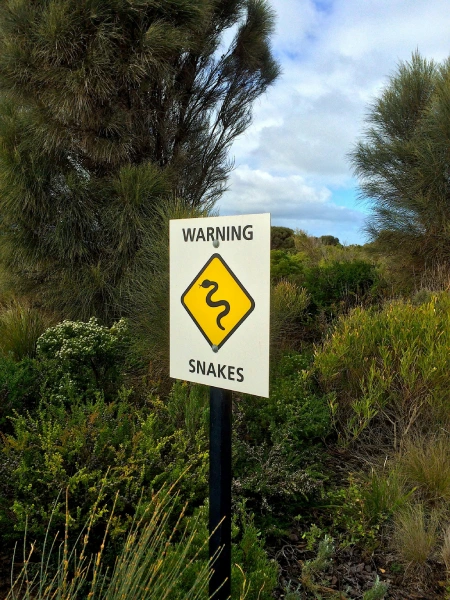
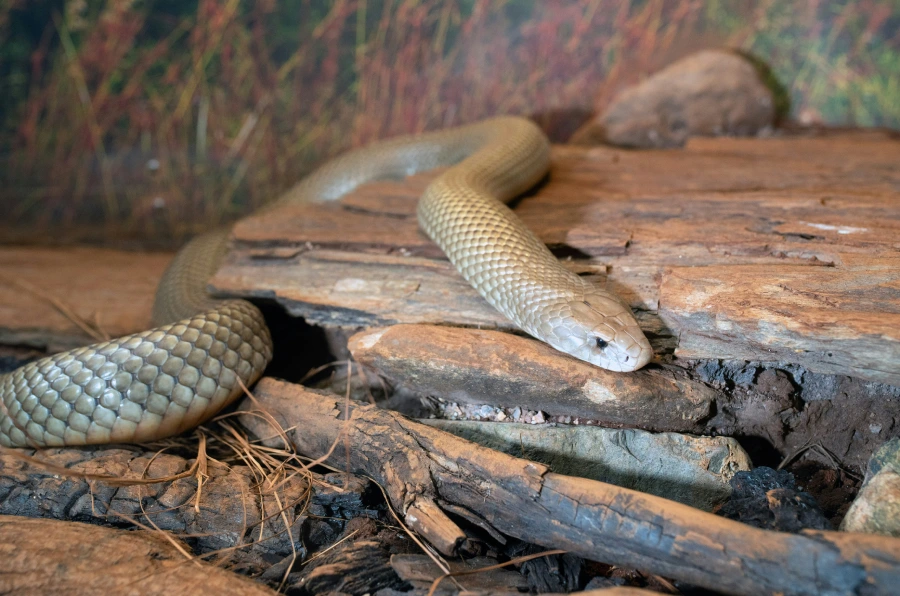
These signs appear almost everywhere in natural areas simply because snakes are actually present.
Redback Spider
The redback spider is very common around Melbourne. It often hides in dark, sheltered places, but encounters in urban areas are not unusual.


Its venom can cause serious effects, which is why warnings are taken seriously.
Other Warnings in Parks and Coastal Areas
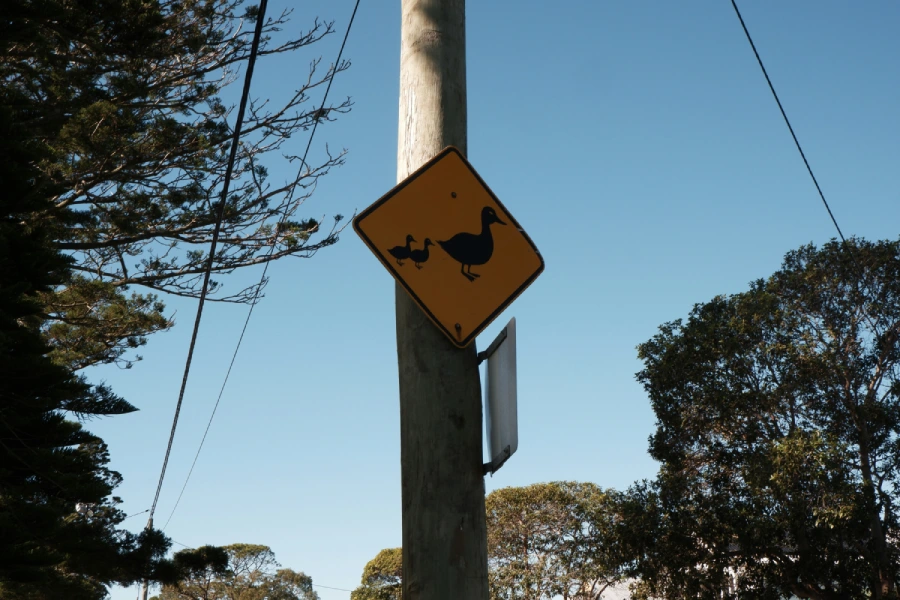
Some parks even have duck crossing signs, which shows how deeply wildlife is integrated into everyday life.
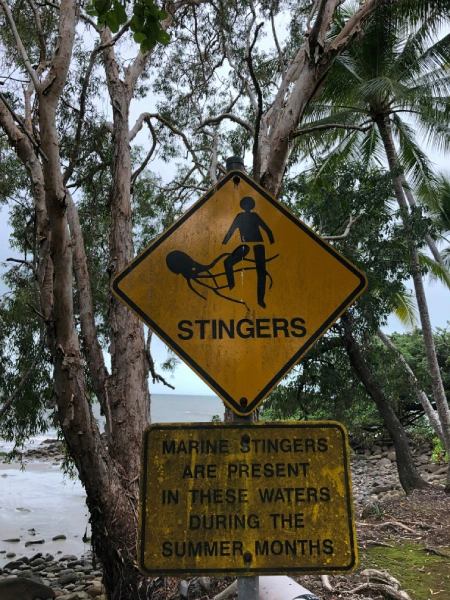
In certain coastal areas, there are warnings for jellyfish (stingers) and sharks. These signs are not meant to scare people, but to inform and protect.
“You Can Encounter Them Anytime”
In Australia, wildlife doesn’t live far away. I personally encountered a large black tarantula near my home, which may sound shocking, but for locals, it’s not unusual.
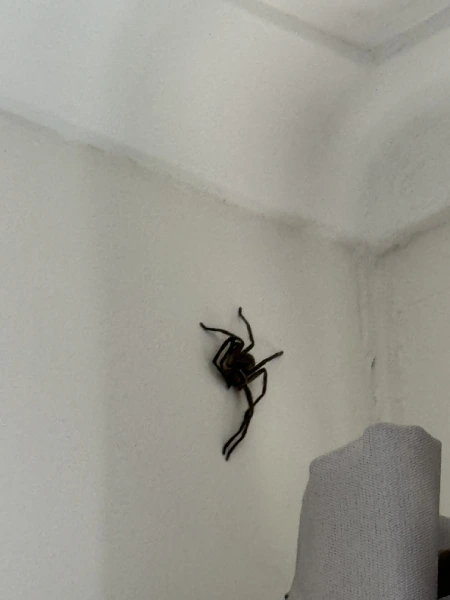
This simply means one thing:
Nature here isn’t distant it’s part of everyday life.
Final Thoughts: Respect Nature, and You’ll Be Fine
Australia’s nature can be dangerous, but it’s also balanced. When you respect warning signs, follow guidelines, and stay aware of your surroundings, the risk of serious problems is quite low.
Great Ocean Road and Phillip Island showed me that Australia is not just about beautiful landscapes it’s about a real, wild environment that deserves respect.