 English

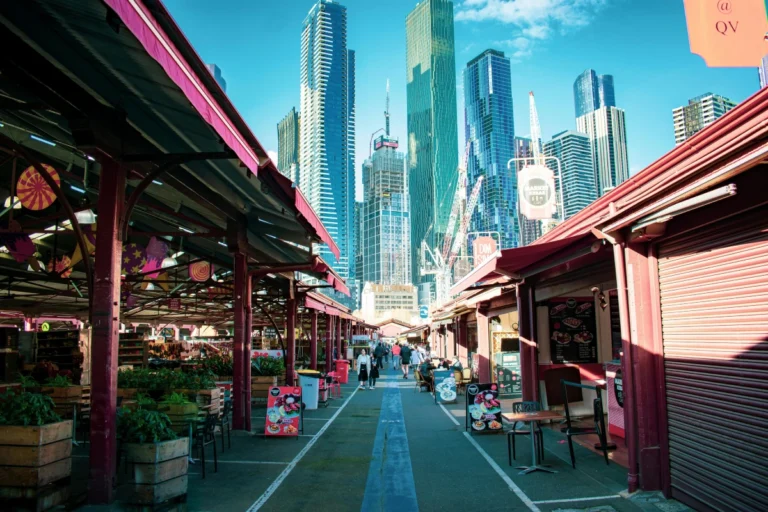
Melbourne is not a city you experience from one single area. Its character comes from how different parts of the city connect the CBD, Docklands, riverside paths, cultural streets, and everyday moments happening all at once. Walking through Melbourne feels less like sightseeing and more like observing how a city lives.
The City Center: CBD Streets and Everyday Flow
Melbourne’s CBD is where the city’s rhythm is most visible. Trams pass constantly, people move in every direction, and the streets feel active at almost any hour of the day.
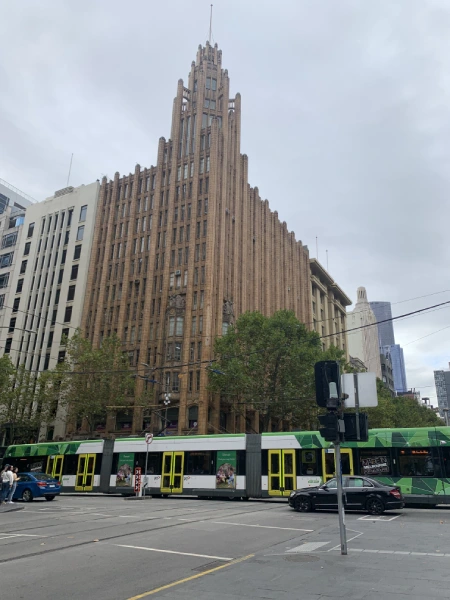
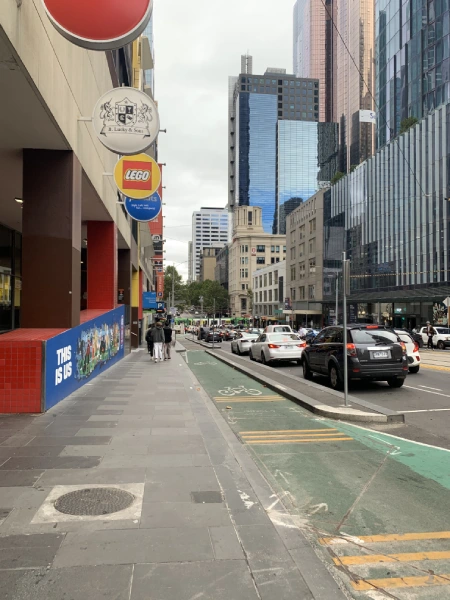
One of the most practical features of the city is the Free Tram Zone, which allows anyone to travel through the CBD without paying. Old heritage trams still run alongside modern ones, adding character to everyday transport.
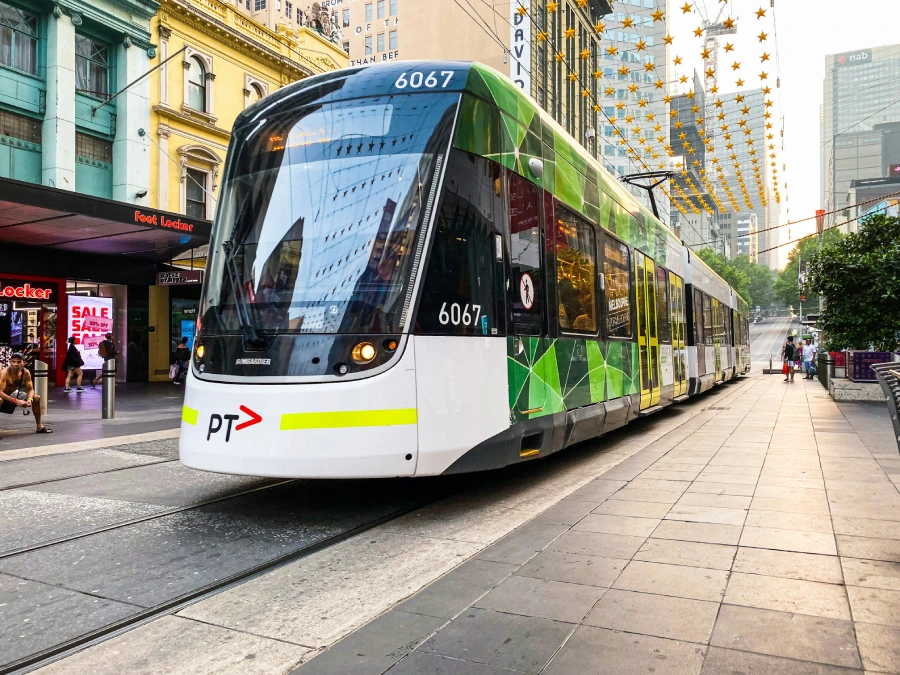

Flinders Street Station: Melbourne’s Meeting Point
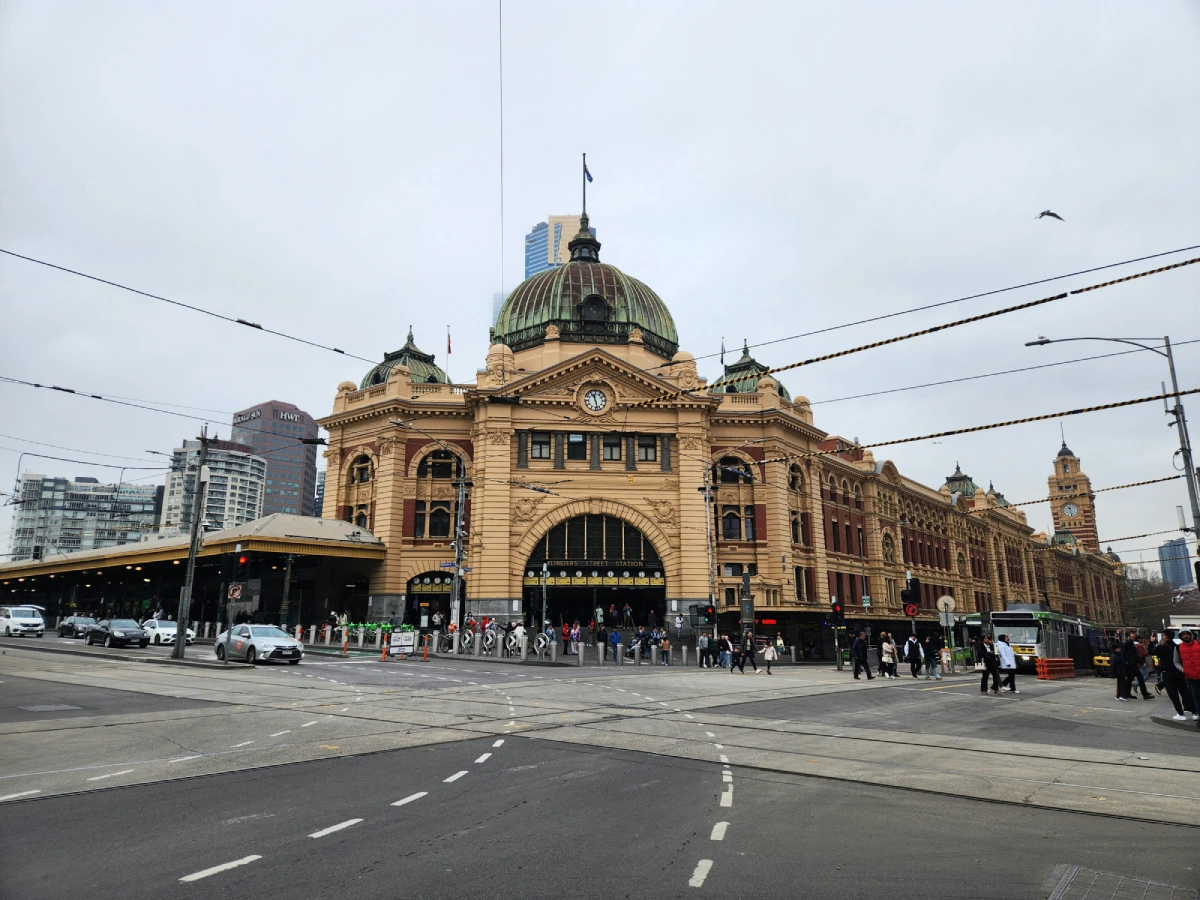
Flinders Street Station is one of Melbourne’s most iconic landmarks. It’s not just a train station, it’s a meeting point, a reference spot, and part of the city’s identity.

Right outside, the city feels especially alive, with trams, pedestrians, street performers, and constant movement.
Docklands: Where the City Meets the Water
Docklands is part of Melbourne’s city fabric, not a separate destination. It blends modern buildings with open waterfront spaces and walking paths.
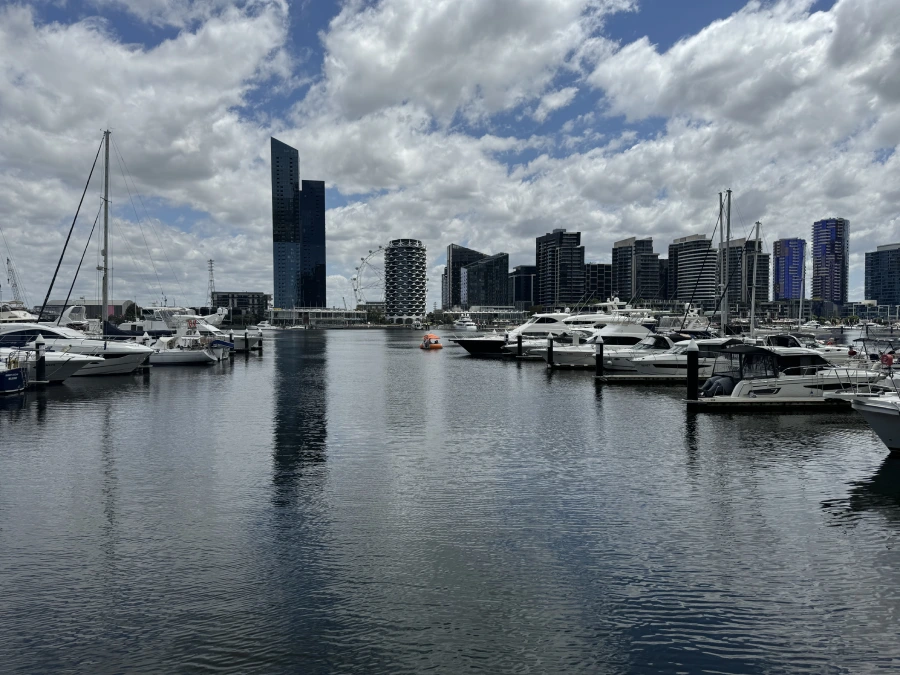

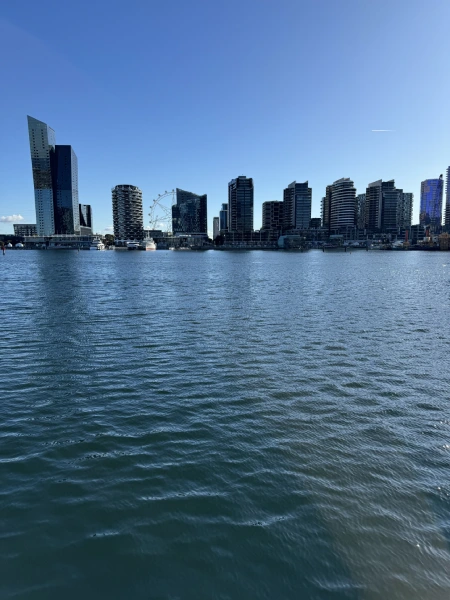
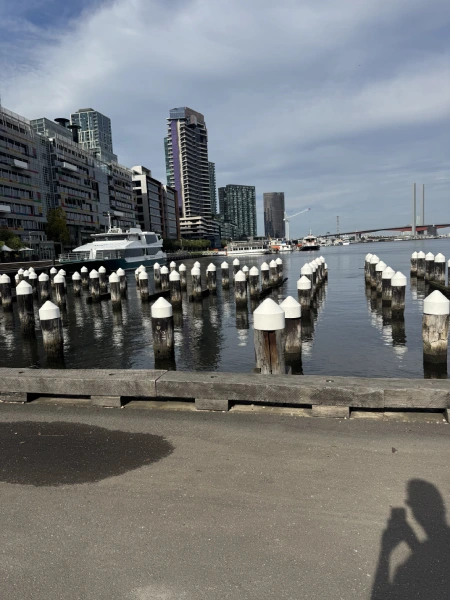
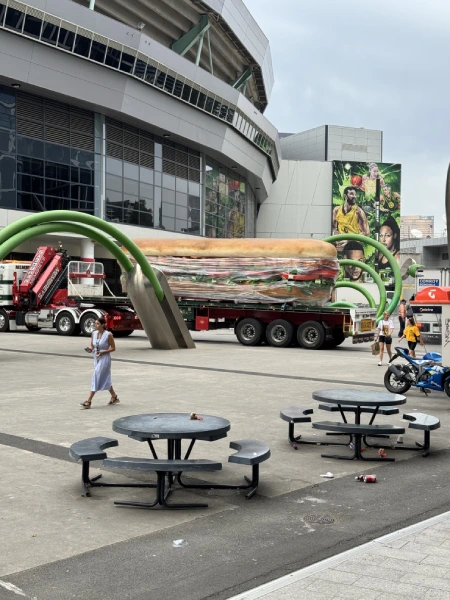
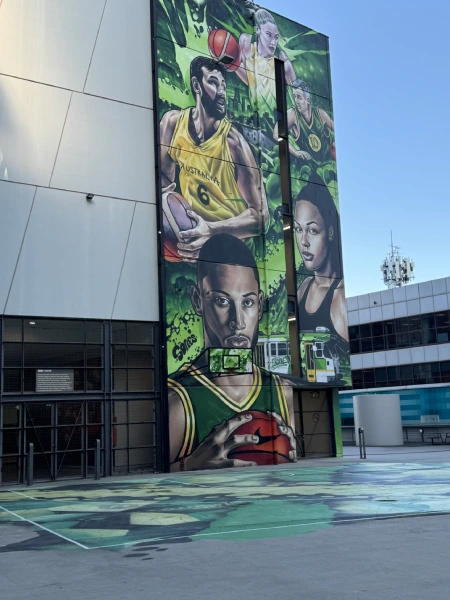
This area is also home to major venues like Marvel Stadium, where large sporting events and concerts take place.

Yarra River & Albert Park: The City’s Natural Line
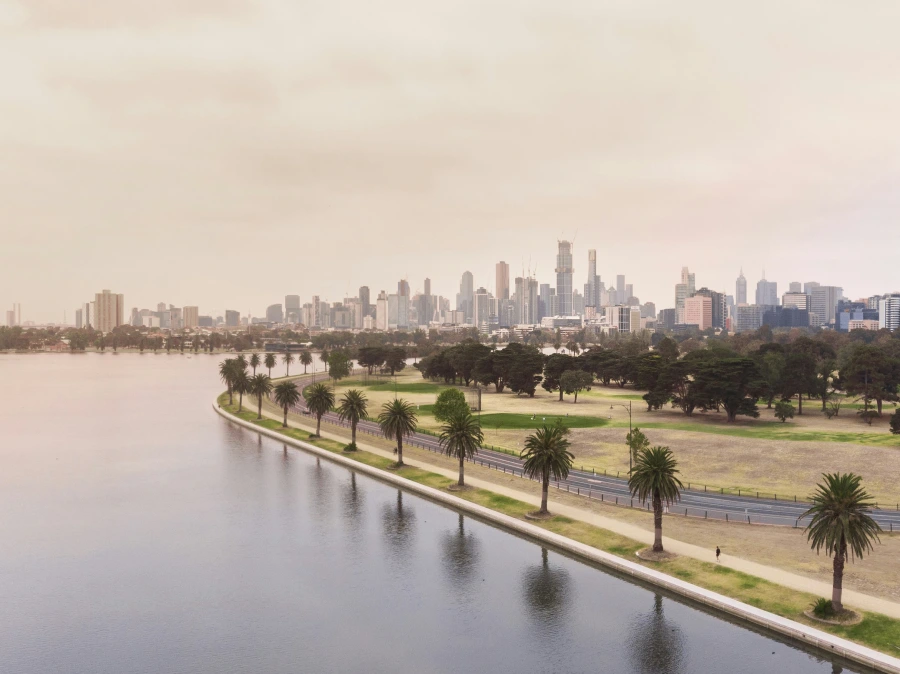
Yarra River runs right through Melbourne and naturally connects different parts of the city. Along the river, people walk, cycle, sit, and watch the city pass by.
The river softens the city’s pace and adds balance to its urban structure.
Culture Between the Buildings
Even in the middle of the city, Melbourne leaves space for culture and history. St Paul’s Cathedral stands quietly among modern buildings, reminding you that the city has layers beyond glass and steel.
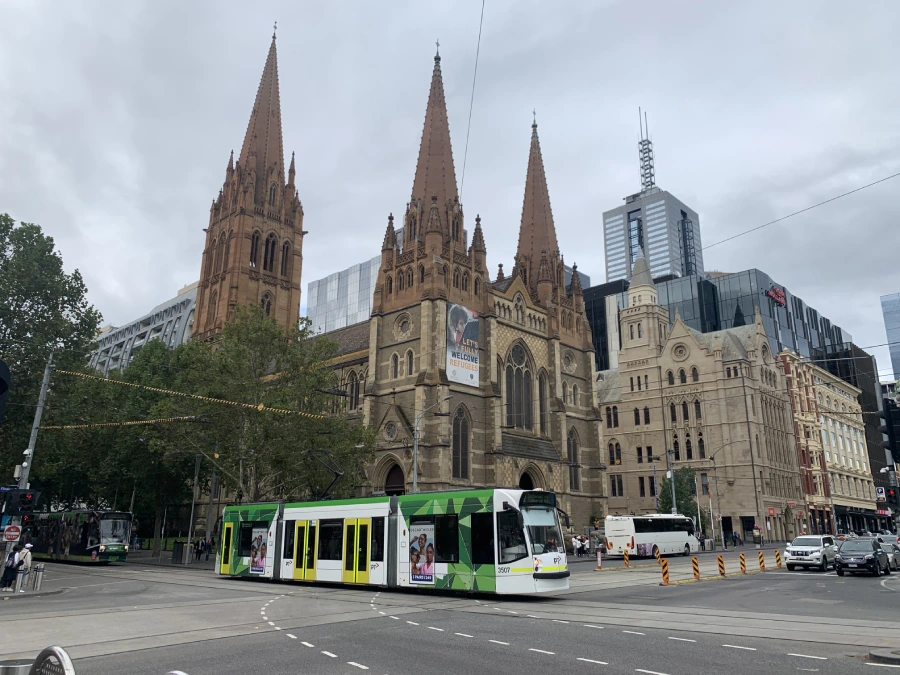
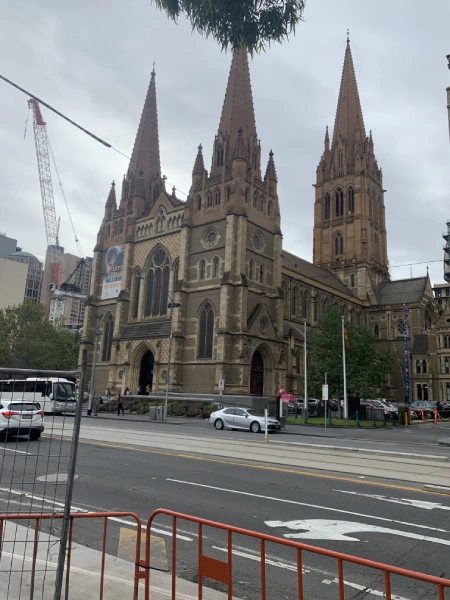
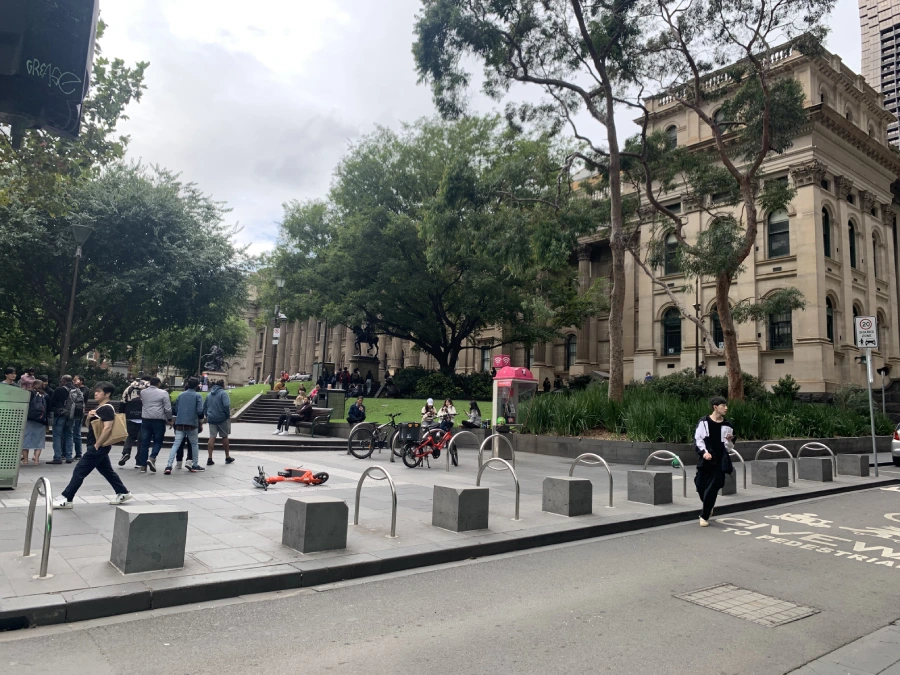
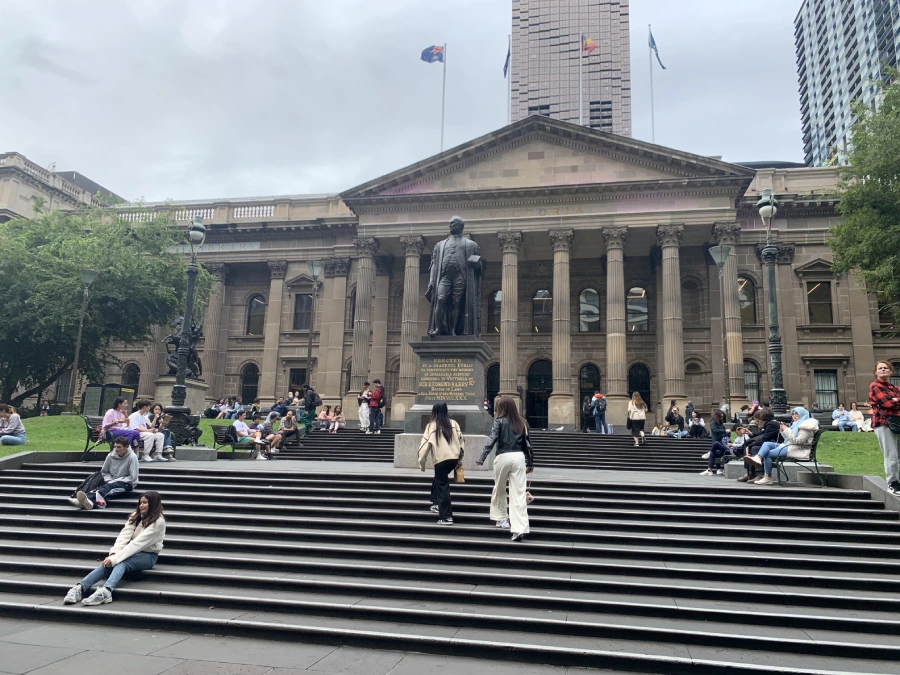
Just nearby, the State Library of Victoria acts as both a cultural landmark and a public space where people study, relax, and gather.

New Year’s Eve in Melbourne
As the year comes to an end, Melbourne turns into a massive open-air celebration. On New Year’s Eve, the city lights up with fireworks across the CBD, along the Yarra River, and over the skyline. Thousands of people gather in parks, streets, and riverfront areas to welcome the new year together. Watching the fireworks reflect off the buildings and the river perfectly captures the city’s vibrant and energetic spirit.
Street Culture, Art, and Unexpected Moments
Melbourne’s personality shows itself most clearly in its streets. Chinatown adds color and energy with its narrow lanes and busy atmosphere.
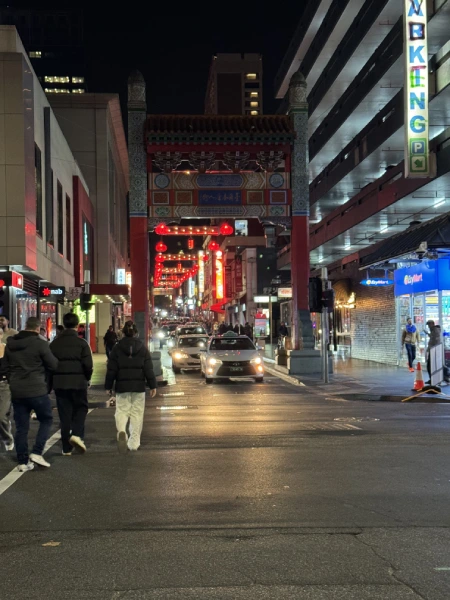

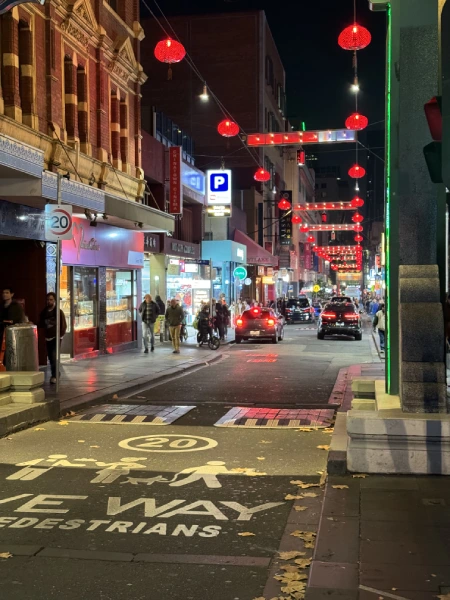
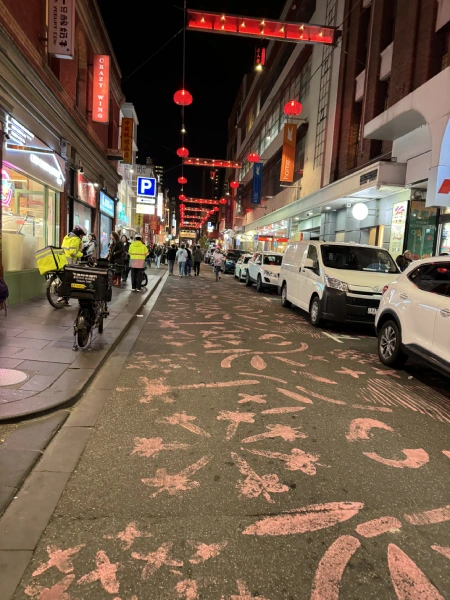
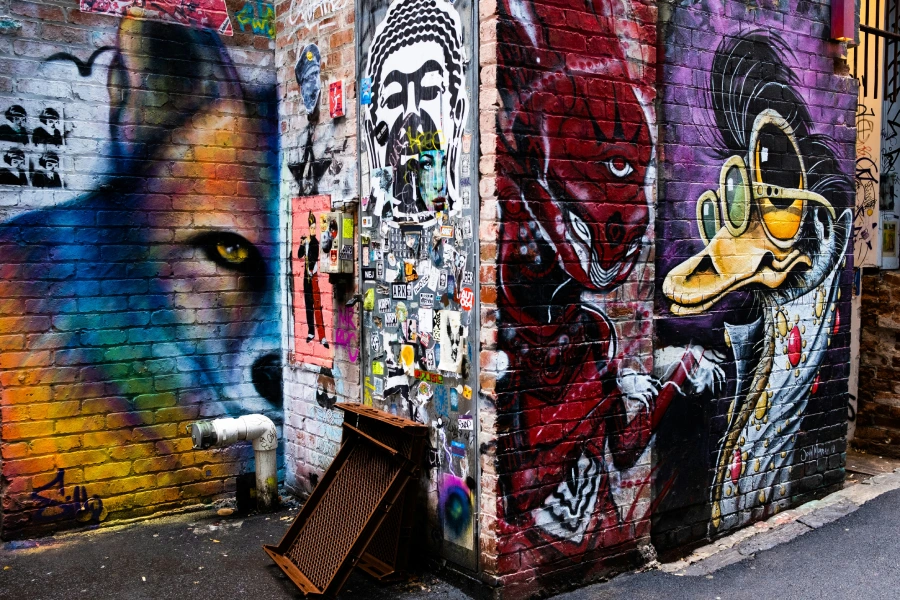
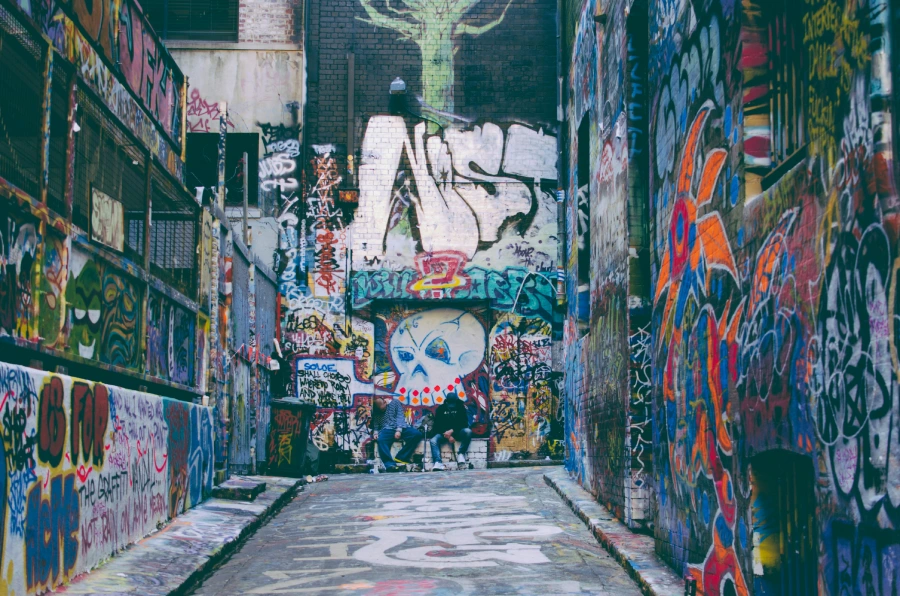
Graffiti lanes reflect the city’s strong connection to street art and creativity.
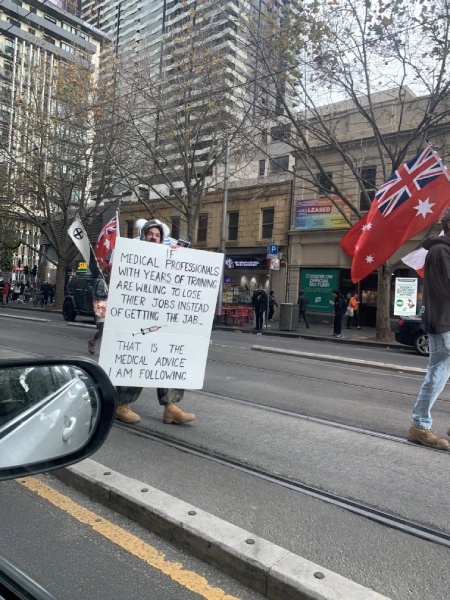
Sometimes, the city surprises you with completely unplanned moments street performers, public protests, or small details you only notice when you slow down.
Neighborhood Vibes Beyond the CBD
Melbourne isn’t just the city center. Areas like Fitzroy show a more local, creative, and relaxed side of the city.
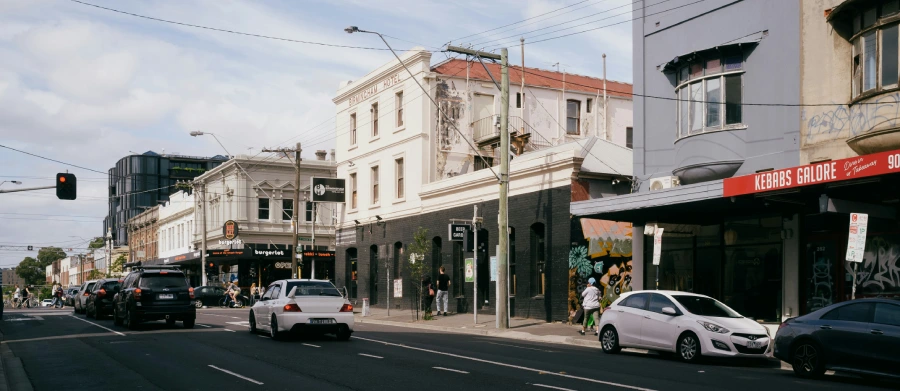
These neighborhoods are known for cafés, independent shops, music venues, and nightlife.
Some of the best photos in Melbourne aren’t taken at famous landmarks, but in local neighborhoods. Trams passing through quiet streets, small shops, and everyday suburban life create an authentic atmosphere. These areas show a slower, more personal side of the city and offer great moments for capturing Melbourne beyond the tourist spots.
Final Thoughts
Melbourne isn’t defined by one skyline or one street. It’s a city built around movement trams, people, rivers, and everyday interactions. From the CBD to Docklands, from street art to historic landmarks, the city feels active, layered, and genuinely lived in.
Melbourne doesn’t try to impress it simply keeps moving, and you move with it.