 English
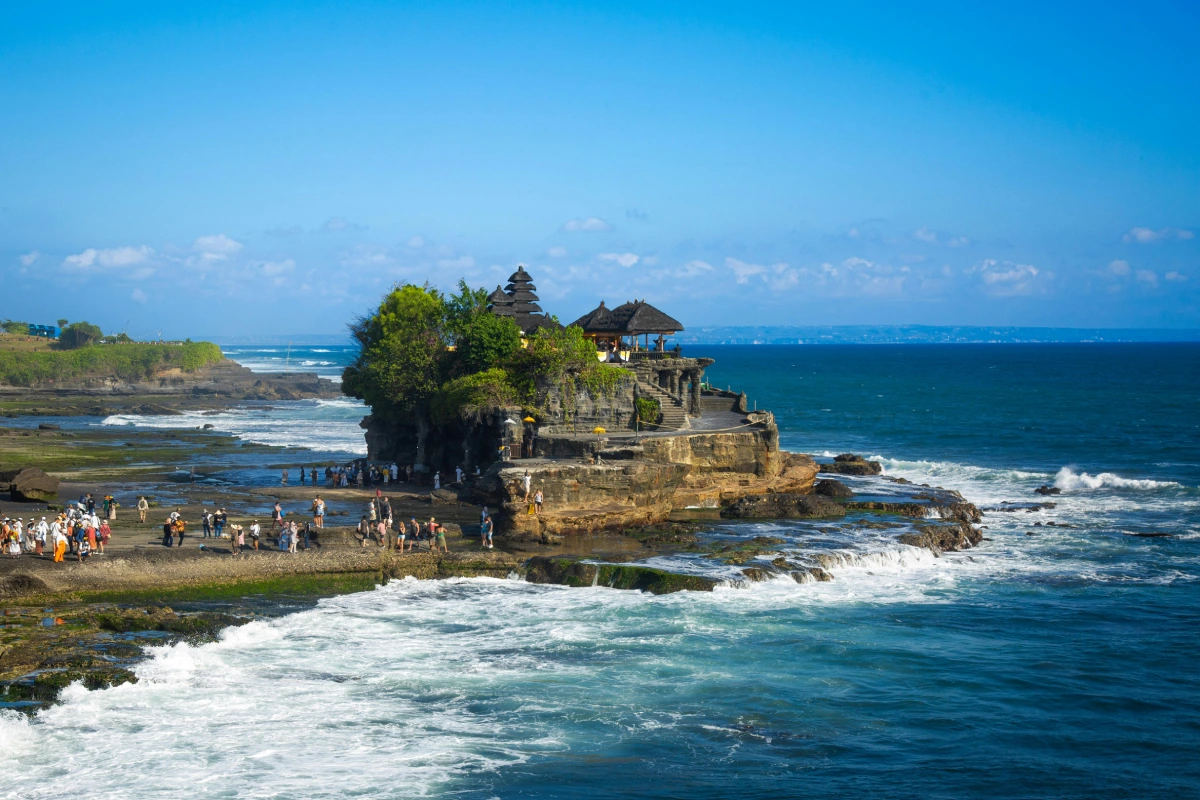

In Bali, temples are not just places to visit, they are part of daily life, rituals, and the deep connection between spirituality and nature. Taman Ayun Temple and Tanah Lot Temple reflect this sacred side of Bali in two very different yet equally powerful ways.
Taman Ayun: Rituals and Calm
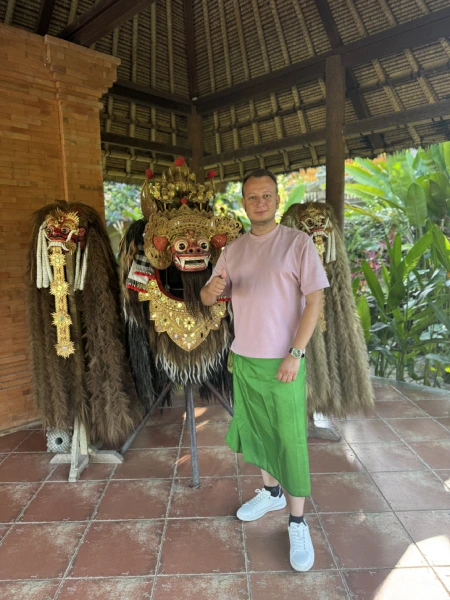
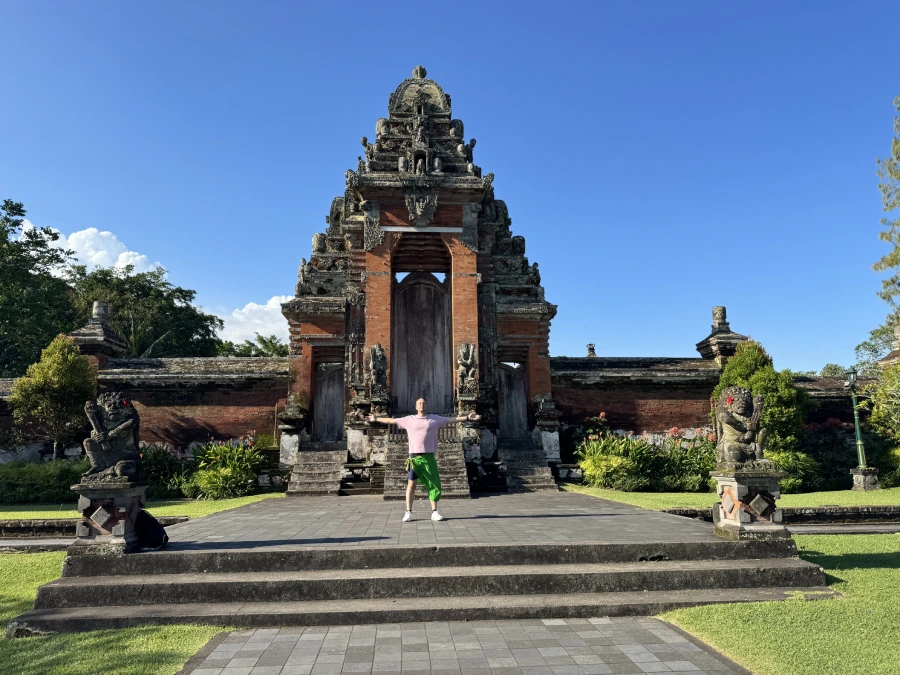
When entering Taman Ayun Temple, visitors are required to wear a sarong, a traditional cloth wrapped around the waist. This small gesture immediately sets the tone, reminding you of the respect shown toward sacred spaces in Bali. The sarongs, usually in shades of purple or green, make the experience feel more ceremonial.
The temple grounds are spacious, orderly, and peaceful. Decorative figures, layered structures, and carefully designed layouts highlight the elegance of Balinese temple architecture. There’s no rush here walking slowly and observing the surroundings feels more than enough.
Tanah Lot: A Temple Shaped by the Sea
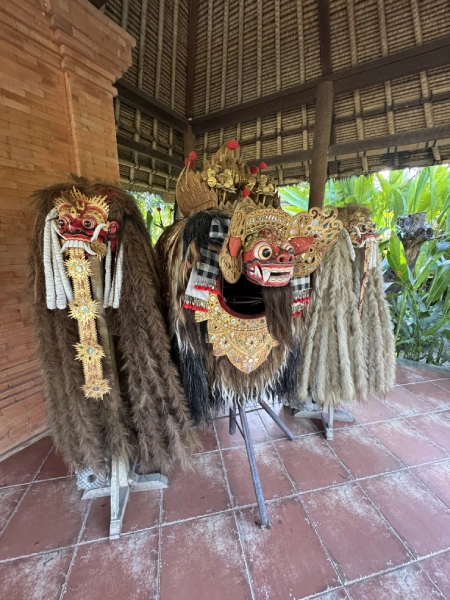
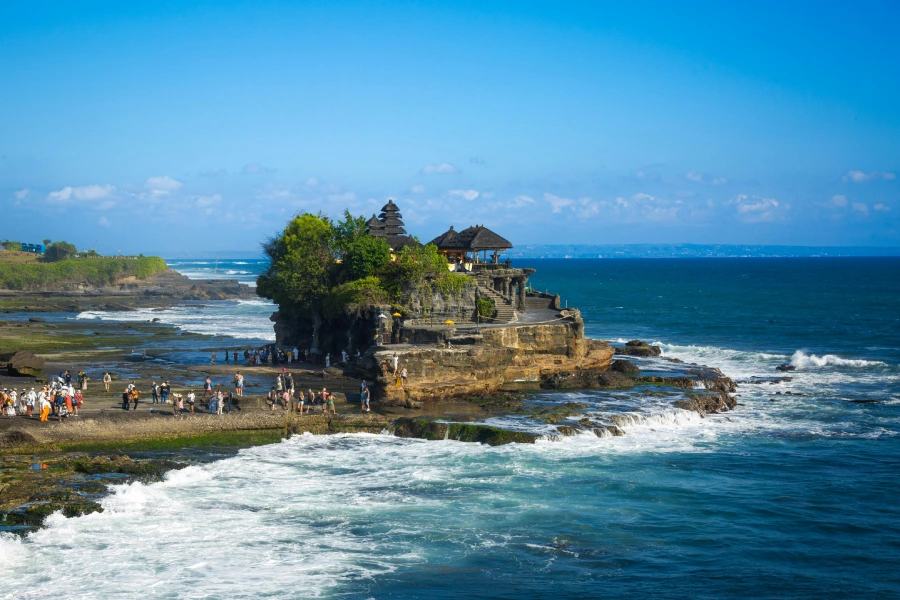
Tanah Lot is one of Bali’s most dramatic temples. Built on rocky formations by the ocean, it feels completely intertwined with nature. The sound of waves, the cliffs, and the open horizon give the place a powerful presence.
At certain times of the year, the sea level drops, revealing a path that allows visitors to walk closer to the rocks below. During these moments, waves crash against the cliffs, creating photo opportunities that feel almost surreal, as if you’re standing inside the ocean itself.
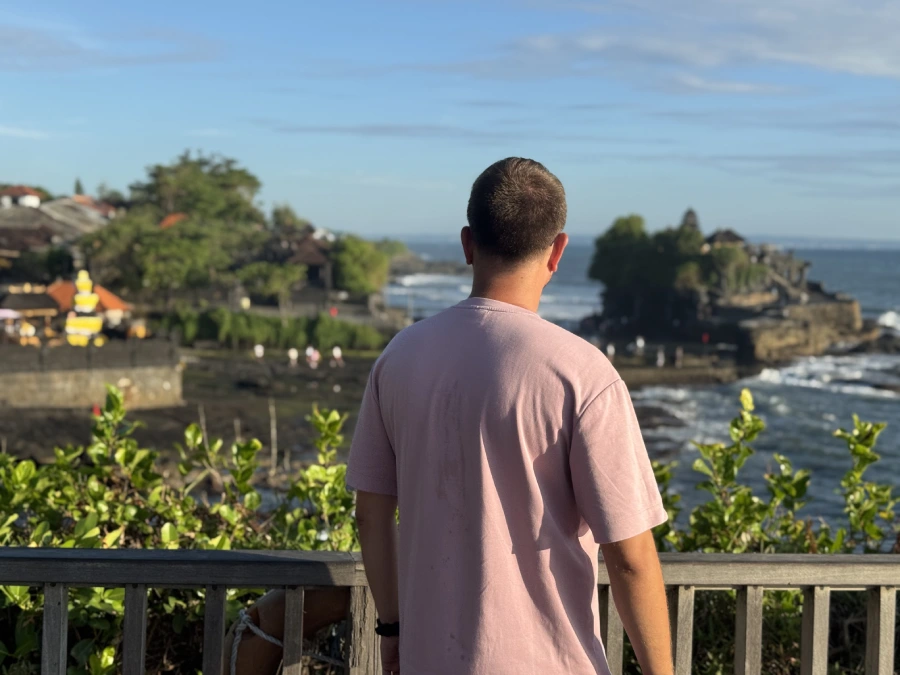
The area around Tanah Lot is well developed for visitors, with restaurants, cafés, and walking paths. Visiting close to sunset offers the best light and atmosphere, making the experience even more memorable.

The Feeling These Temples Leave Behind
Taman Ayun and Tanah Lot represent two distinct expressions of Balinese spirituality. One is structured, calm, and ritual-focused; the other is raw, dramatic, and shaped by the power of nature.
Together, they clearly show that temples in Bali are not just religious structures, but living spaces where spirituality and the natural world exist side by side.